Two Roads, One Original: Which Version Are You Playing?
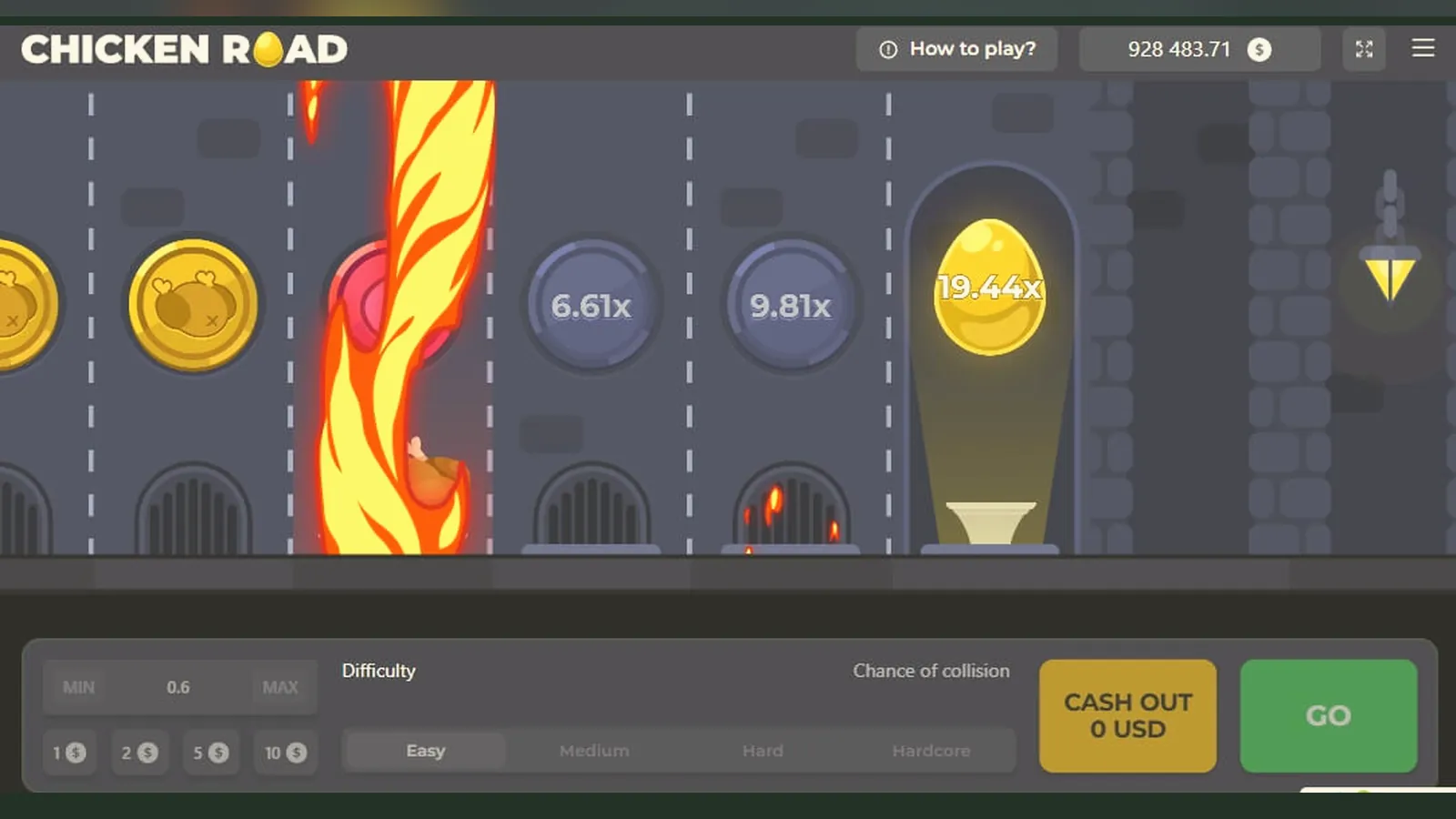
You open two tabs. Both say «Chicken Road 2». Both look nearly identical. One pays as the maths sheet says; the other tweaks the odds and pockets the difference. The original comes from a studio that submitted the game for lab testing and published the RTP. The clone came from a back-office in a jurisdiction that doesn't ask questions. For a player staking £5.00 a round under the UKGC's limit, the difference is whether the advertised return is real or theatre.
This page walks through who built the original, how a round actually works, the mechanics and numbers from the technical sheet, which clones are out there, and the ten-second check that tells you whether the site serving you is running the certified version or a reskin.
Who Made the Original and How It's Certified
The original Chicken Road 2 was developed by a licensed studio and submitted to an accredited testing lab. The lab verifies that the random number generator is fair, that the stated RTP matches the actual payout over millions of rounds, and that the game does what the rules say. The studio's name appears in the game client — usually bottom-left or in the info screen — and the operator lists the provider in the lobby.
If you're on a UKGC-licensed site, the operator's licence number sits in the footer. You can look that number up in the Gambling Commission's public register to confirm the operator is allowed to serve British players. The register doesn't list individual games, but a licensed operator sources games from certified providers because the Commission audits game portfolios as part of compliance. An unlicensed site has no such obligation, which is why clones cluster there.
How a Round Works from the Player's Seat
You pick a stake within the range the game allows — on a UKGC site, capped at £5.00 for most players and £2.00 if you're 18–24. You set a cash-out target: the multiplier at which the game auto-collects your win if you don't click out manually. The round starts, and a figure moves across the screen. A multiplier counter climbs from 1.00×. At any moment, the round can end — the figure hits an obstacle, and the multiplier freezes. If you cashed out before that point, you win your stake times the multiplier. If you didn't, you lose the stake.
The original uses a provably fair RNG: each round's outcome is determined before the animation starts, and you can verify the result with a hash. Clones often skip this step. The multiplier might look the same, but the probability curve underneath has been altered to pay less. You won't know until you track results over dozens of rounds, by which time you've staked more than you planned.
- Set stake (capped by age and the £5.00 UKGC limit).
- Choose auto cash-out target or manual mode.
- Round begins; multiplier climbs; crash point is already decided.
- Cash out before the crash, or lose the stake if you're late.
- Check the hash if the game offers provably fair verification.
Real Numbers from the Technical Sheet
The original's technical sheet lists the minimum and maximum stake in dollars; on UK sites, those amounts appear in pounds. The sheet also specifies RTP — the long-term return to player — and maximum win as a multiple of stake. These numbers are the contract between you and the game. A clone might claim the same RTP in the lobby but deliver something lower because no lab checked the code.
Mechanics One by One: What Changes the Outcome
The core mechanic is the crash point. It's chosen from a probability distribution before the round animates. Early crash points (below 2.00×) are common; high multipliers (above 10.00×) are rare. That distribution defines the RTP. If a clone shifts the curve to produce more low crashes, the RTP drops even if the interface looks identical.
- Auto cash-out: you set a target multiplier; the game collects for you if that level is reached. Useful for disciplined exits, but it won't save you if the crash comes earlier.
- Manual cash-out: you click the button yourself. Reaction time matters, but the server timestamp is what counts — if the crash happened a millisecond before your click registered, you lose.
- Difficulty levels: some versions let the operator adjust RTP by config. The original discloses this in the rules; clones might not, leaving you to guess which setting is live.
- Hash verification: the original generates a hash for each round before it starts. After the round, you can check that hash against the result to confirm the outcome wasn't manipulated mid-flight. Clones skip this feature because it would expose the altered probabilities.
Where you lose: every round you don't cash out in time. High volatility means clusters of early crashes. The game is designed so most rounds end before 2.00×, which is why chasing losses by raising your target rarely works. The original is transparent about this in its technical documentation; clones aren't.
Which Clones Circulate and How They Differ
At least three clones of Chicken Road 2 are in circulation, mostly on unlicensed sites or those licensed outside strict jurisdictions. The clones copy the art, the UI, and the animation, but the maths underneath diverges. Common differences: lower RTP (the clone pays out less over time), no hash verification (you can't prove the result was fair), and altered crash-point distribution (more frequent early crashes, fewer high multipliers).
| Feature | Original | Typical clone |
|---|---|---|
| Provider name visible | Yes, in client | Often missing or fake |
| Provably fair hashes | Yes | No |
| RTP disclosure | In rules screen | Vague or absent |
| UKGC site presence | Common | Rare — unlicensed operators |
| Stake limits enforced | £5.00 / £2.00 caps | No cap, or ignores age rule |
The clones cluster on sites that don't appear in the UKGC register. If the footer has no licence number, or the number doesn't match an entry in the Commission's database, the site is operating illegally in the UK. You have no recourse if a dispute arises, and the game's fairness is unverified.
Ten-Second Check: Are You on the Original?
- Open the game and look for the provider name — bottom-left corner or info screen. If it says the certified studio, continue. If it's blank or lists an unfamiliar name, stop.
- Check the site footer for the UKGC licence number. Copy it and search the Gambling Commission's register. If the operator isn't listed, you're on an unlicensed site.
- Open the game rules or paytable. The original publishes RTP, max win, and stake range. If those details are missing or vague, it's likely a clone.
- Look for a provably fair or hash verification link in the game interface. The original offers this; clones don't.
- Try setting a stake above £5.00 (or £2.00 if you're 18–24). If the game allows it, the site isn't enforcing UKGC stake caps, which means it's not compliant.
Where the Original Runs for a UK Player
The original Chicken Road 2 appears in the crash or instant-win section of UKGC-licensed casinos. You'll find it alongside games from the same provider or similar mechanics. The site asks for age verification before you can deposit — usually a soft check against credit-reference data, and documents before your first withdrawal. KYC takes 24–48 hours, and the first payout is the slowest because the operator reviews your details.
Payment methods are debit card (Visa or Mastercard), PayPal, Apple Pay, Open Banking via Trustly, and paysafecard. Credit cards have been banned for gambling since April 2020. E-wallet withdrawals take a few hours to a day; Faster Payments to your bank account arrive the same day or within two working days; debit card payouts take one to three working days. All winnings are tax-free — the operator pays the Remote Gaming Duty, which rose to 40% in April 2026, but that doesn't affect your balance.
Affordability checks start from £150 net deposits in a month, using credit-reference data at the first stage. If you hit that threshold, the operator will ask questions. If you're on GAMSTOP, the site won't let you register — one registration blocks every UKGC-licensed operator for six months to five years.
Demo play exists on many licensed sites, but it's often restricted to logged-in, age-verified accounts. A few operators show free play to guests, but that's less common now. If you want to test the mechanics before staking real money, look for a site that offers demo mode after you've registered and verified your age. The game in demo mode uses the same RNG and rules as the real-money version; only the currency is virtual.
FAQ
How do I know I'm playing the original and not a clone?
Check the provider name in the game client — it should match the certified studio. Verify the site's UKGC licence number in the footer against the Gambling Commission's register. Look for RTP disclosure in the game rules and a provably fair hash-verification option. If any of these is missing, you're likely on a clone or an unlicensed site.
Why does the original cap stakes at £5.00 when I've seen higher limits elsewhere?
The £5.00 cap is a UKGC rule for online slots and similar games, enforced across all licensed operators in the UK. Sites that let you stake more aren't following the regulations — they're either unlicensed or misconfigured. Players aged 18–24 face a £2.00 cap. If the game allows higher stakes, the site isn't compliant.
What's the difference between the original's RTP and a clone's payout?
The original's RTP is lab-tested and disclosed in the rules — it reflects the actual return over millions of rounds. A clone might claim the same RTP in the lobby but deliver less because the probability distribution was altered and no independent lab verified it. The only way to tell is to check for RTP disclosure and provably fair verification, both of which clones tend to skip.
Can I play Chicken Road 2 in demo mode before I deposit?
Many UKGC-licensed sites offer demo play, but it's usually restricted to logged-in, age-verified accounts. A few operators let guests try the game for free, but that's less common now. The demo uses the same mechanics and RNG as the real-money version; the only difference is that wins and losses are virtual.
How long does the first withdrawal take and what documents do I need?
The first withdrawal is the slowest because the operator reviews your identity documents — usually a photo ID and proof of address. KYC checks take 24–48 hours on average. Once approved, e-wallet payouts arrive in a few hours to a day, Faster Payments to your bank take the same day to two working days, and debit card withdrawals take one to three working days.
What happens if I hit the £150 deposit threshold for affordability checks?
When you deposit £150 net in a month, the operator triggers an affordability check using credit-reference data at the first stage. You might be asked to provide bank statements or payslips if the data raises questions. This is a UKGC requirement designed to prevent problem gambling. If you can't demonstrate you can afford the deposits, the operator may impose limits or close your account.